RFID
Name / Scientific name
004
Arachis hypogaea
There is no single cacahuate. Across Mexico it appears in different varieties shaped by soil, climate, choice, and care.
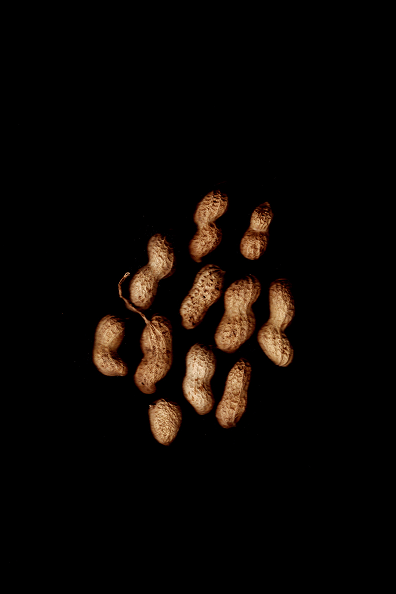
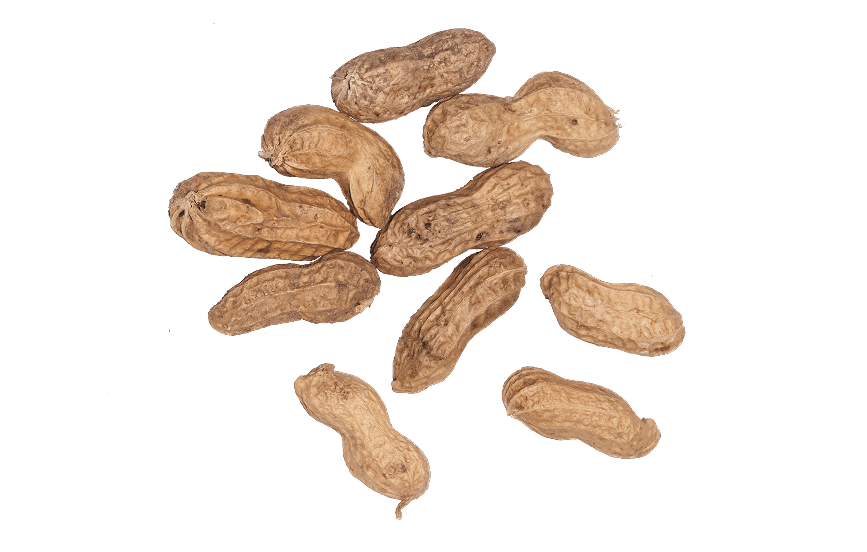
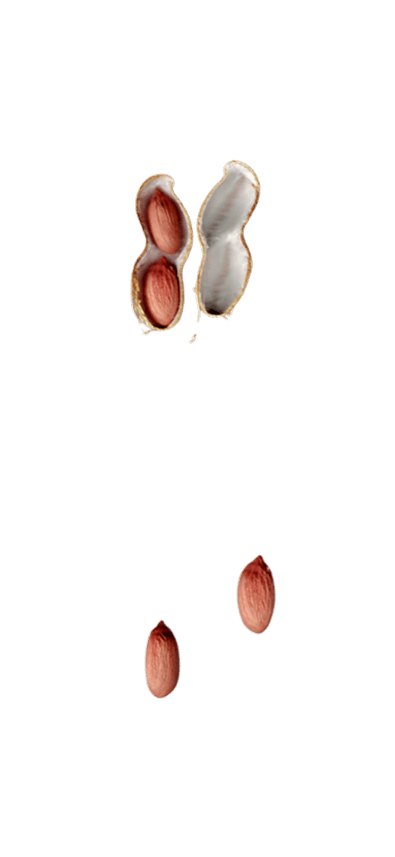
Some peanuts are small and rounded, others longer and narrow. Their shells may be pale beige or lightly veined, and inside, the edible seeds range from deep red to pale cream.
In the Sierra Mixteca, the criollo variety, smaller than commercial varieties but appreciated for its intense flavor, is more common. It is grown along with maize, beans and pumpkin in traditional milpas.
Across Mexico, cacahuate is a part of daily life, food, and celebration. They are eaten roasted or boiled with salt and lime or chile as a popular snack. They are ground into rich, complex sauces such as encacahuatado, adobos, pipián rojo, or mole poblano, or fried with garlic and chiles into smokey salsa macha. They can also be pressed and mixed into atole, a dense, creamy, warm drink made with masa (maize dough). Traditional sweets like palanquetas or mazapanes are made with cacahuate, which also fills piñatas and aguinaldos during December festivities. Despite its modest nature, cacahuate is quietly treasured: something to hold on to in case you get hungry, or to share with someone as a small act of kindness.
Peanut, groundnut, maní
Though commonly called a nut, cacahuate is actually a legume, related to beans.
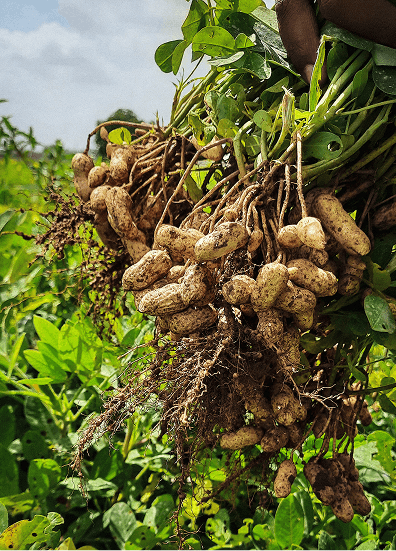
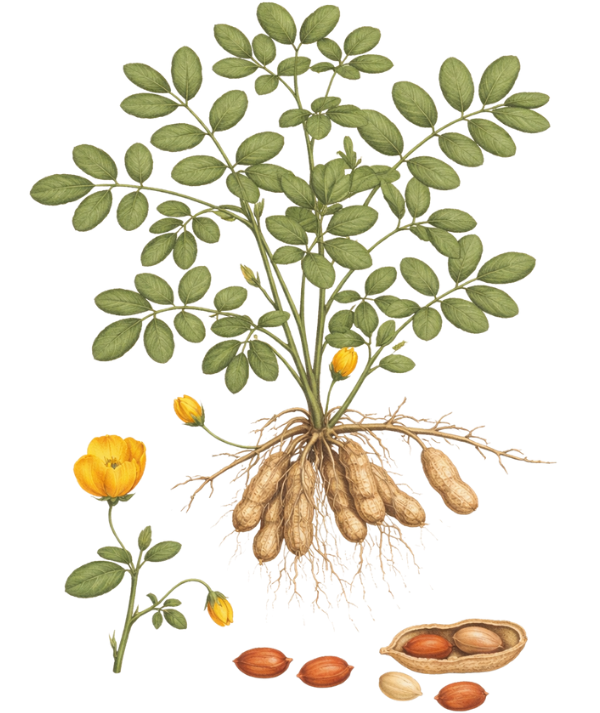
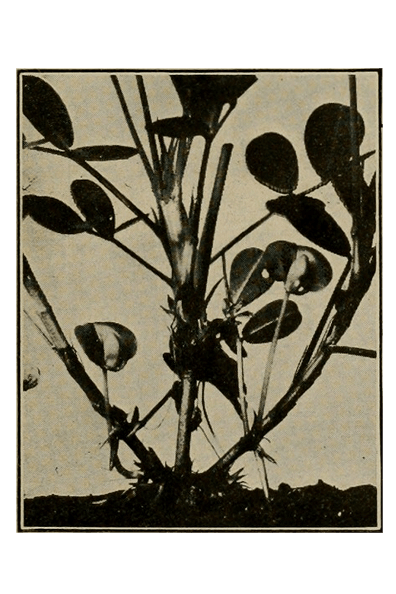
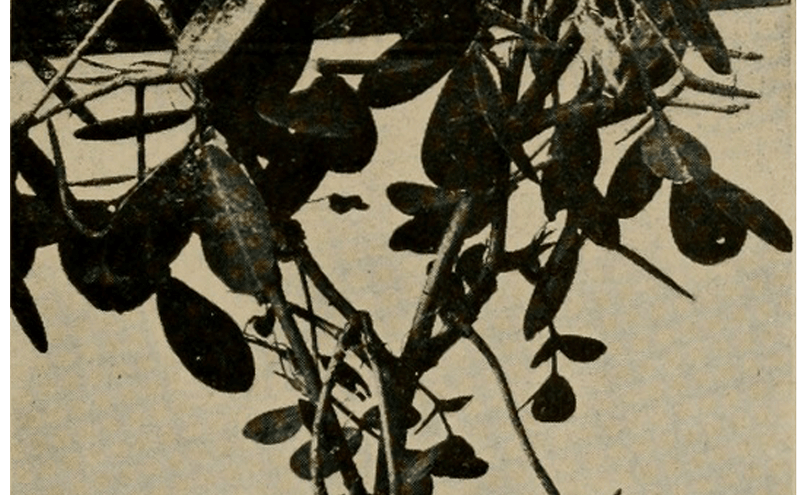
Cacahuate grows as a low, bushy plant, with stems branching close to the ground. After pollination, its small yellow flowers send a thin stem (called “needles” by the local farmers) into the soil, where the pod develops buried, protected from heat, animals, and drought. When the plant dries, it is pulled from the earth to reveal the burried pods. Like other legumes, peanuts improve the soil by fixing nitrogen. It is also an important source of plant protein, as well as vitamins, minerals, and healthy fats. The dried pods store well and travel easily.