RFID
Name / Scientific name
009
Annona spp.
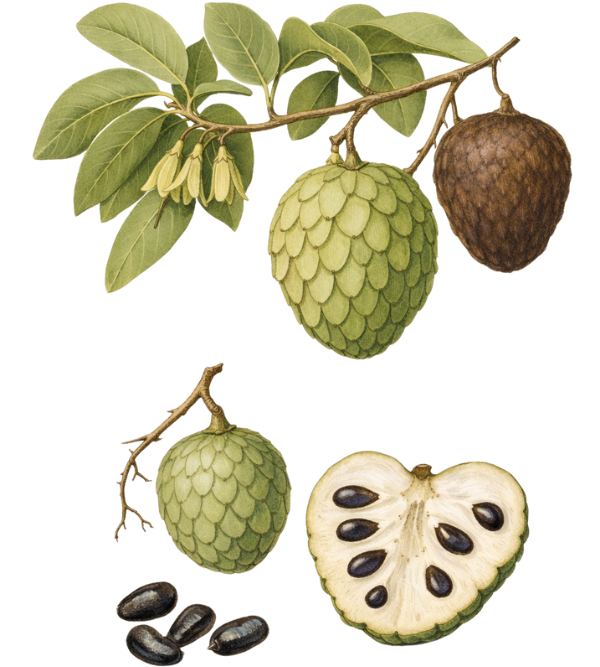
For those unfamiliar with anona, the fruit can seem almost alien.
Roughly ovoid and the size of a small human head, its surface is uneven, covered in soft, scale-like segments that shift in color from dusty green to burnt yellow to brown.
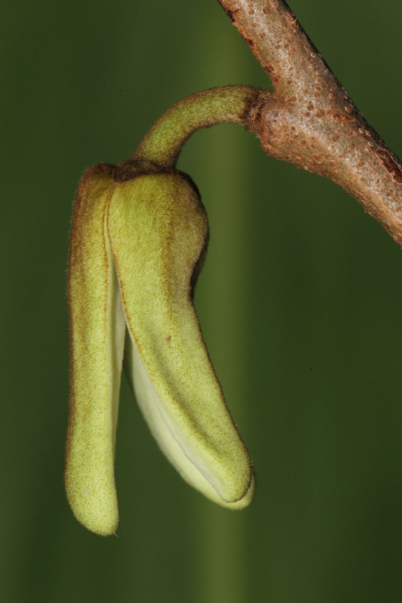
Anona flowers open in two phases. First the flower receives pollen, and later it releases pollen, a timing that helps encourage cross-pollination.
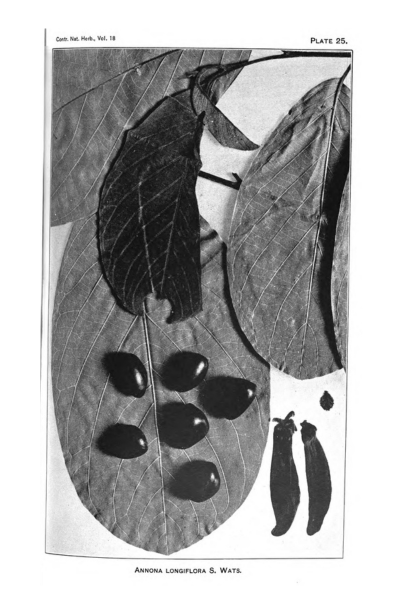
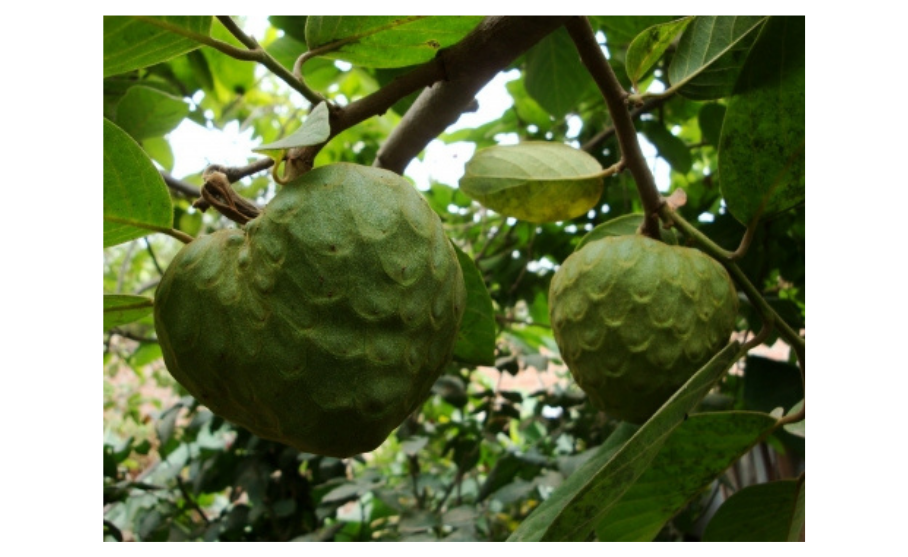
The name of this peculiar fruit comes from anón, a word used by the Taíno, indigenous inhabitants of the Caribbean who named and cultivated it long before European arrival.
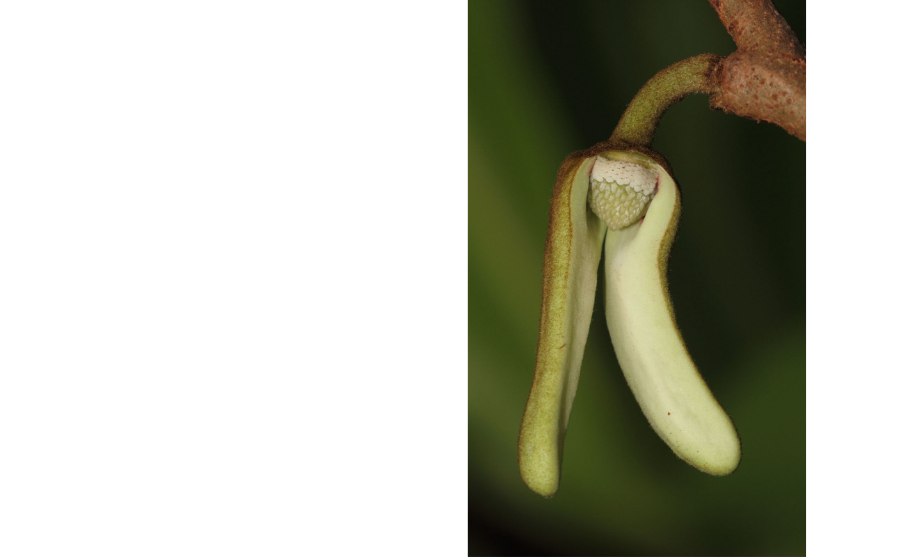
The tree itself feels improbable in the semi-arid Mixteca. It grows broad and generous, with long leaves and thick branches. In landscapes marked by heat, dust, and drought, the anona tree stands apart, offering shelter and shade. Anonas are picked and gathered when they soften and begin to split naturally. They are eaten fresh, opened by hand or cut open with a knife. Their pulp may be blended into juices or aguas frescas, but most often it is consumed as it is.
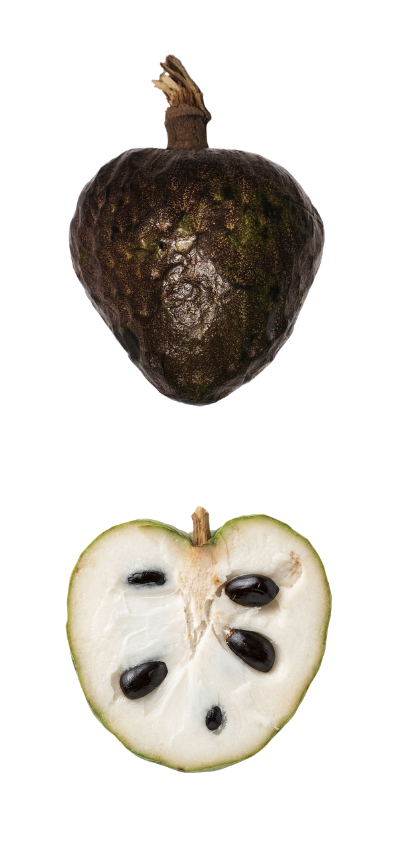
When ripe, the skin yields to the fingers and can be pulled apart by hand, opening to reveal thick, white, fleshy sections arranged around smooth black seeds.
The flesh is glossy, with a texture closer to cream than fruit: fragrant, sweet, and slightly acidic.
Certain species of Annona were already being gathered and tended in what is now Mexico thousands of years ago. What survives today in places like Tonahuixtla is part of that long continuity.