RFID
Name / Scientific name
001
Zea Mays
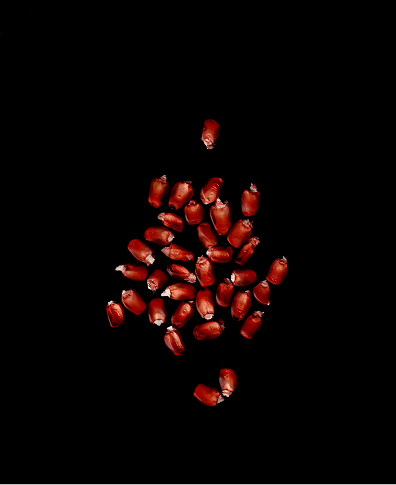
Maize is not simply a crop in Mexico. It is a shared origin: a plant that shaped how people settled, ate, worked, flourished and understood their relationship to the land.
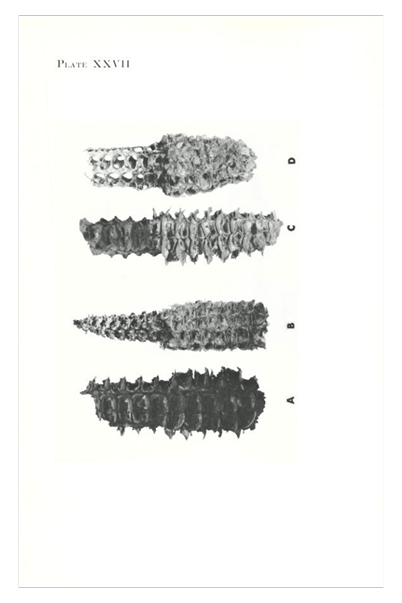
This annual grass, domesticated in Mesoamerica more than eight thousand years ago, is one of the most important plants in the history of our territory. Maize grows as a tall stalk with broad leaves and tight ears that contain the seeds, wrapped in multiple layers of husk. Unlike wild grasses, corn cannot reproduce on its own: it has always depended on human care to be planted, harvested, saved, and replanted, season after season.
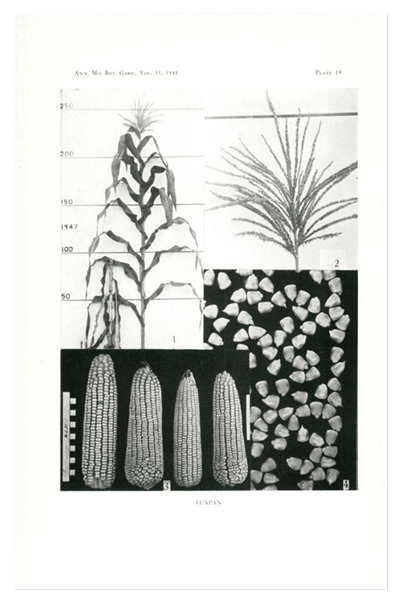
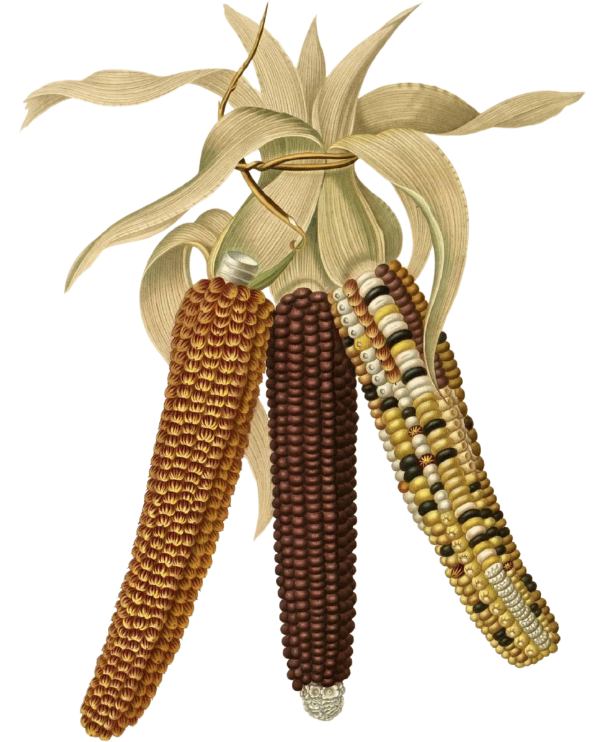
Mexico is the geographic and cultural epicenter for the origin of maize and home to dozens of native varieties, each shaped by specific climates, soils, and ways of life. Many of these varieties have hard kernels that store well, resist pests, and endure drought. The colors of both the kernels and the husks vary from white to yellow, blue, burnt red, deep purple, to almost black. The husks, known as totomoxtle, also differ in thickness and an incredible array of tones, with natural pigments that reflect their own geographic and genetic diversity.
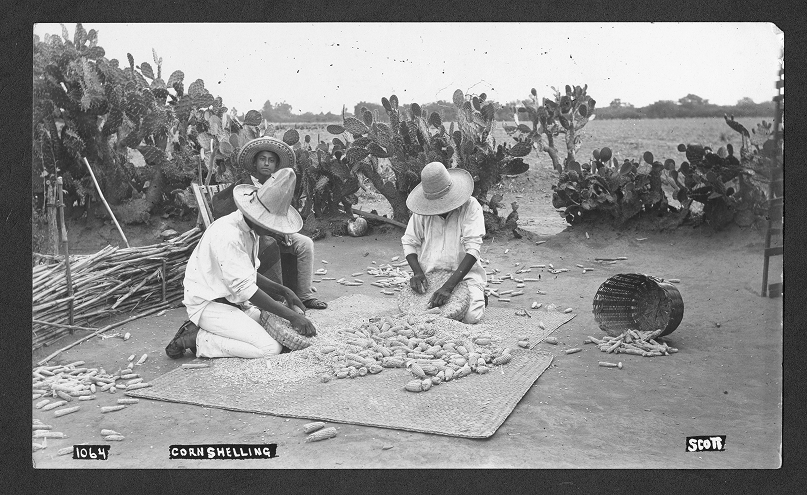
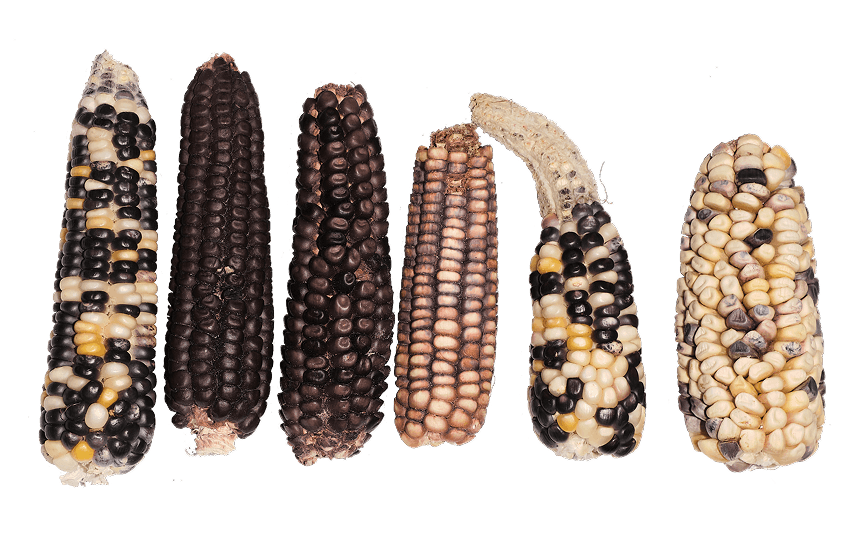
Within the community, especially after establishing a collective workshop for the production of corn marquetry, every part of the plant is used. The grain becomes tortillas, atole, tamales, and pozole. The stalks return to the field or feed animals. The naturally multicolored totomoxtle husks are pressed, cut, and assembled into marquetry for unique design pieces and furniture. What once was discarded or considered inefficient becomes a new source of sustainable income and reclaimed identity, knowledge and pride.
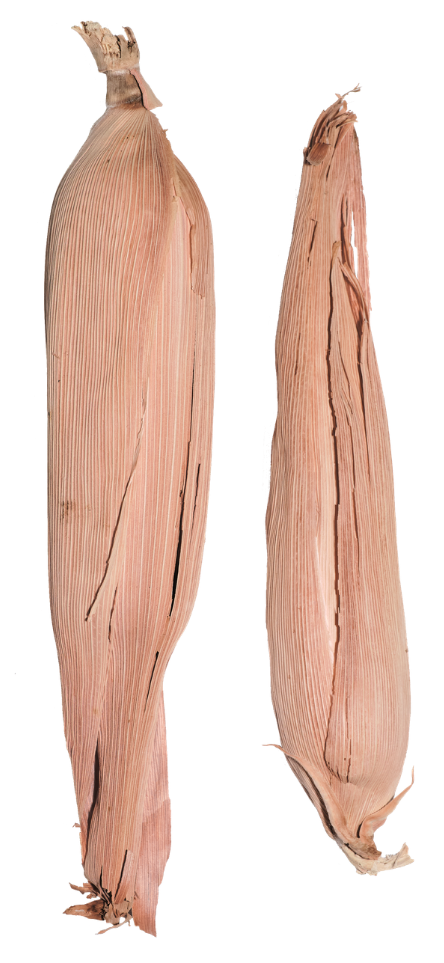
Corn, native maize
In the Mixteca, maize is an anchor point for everyday life.
Time follows its cycle: work, sustenance and celebration are all organized around planting, growing and harvesting corn. In recent decades, native maize has been threatened by industrial agriculture and genetically modified corn. For over 10 years, Fernando has worked hand in hand with the people of Tonahuixtla to reintroduce and protect local varieties: saving seed, testing and planting more resilient strains, and giving the people control over what they grow, produce and eat.