RFID
Name / Scientific name
007
Opuntia
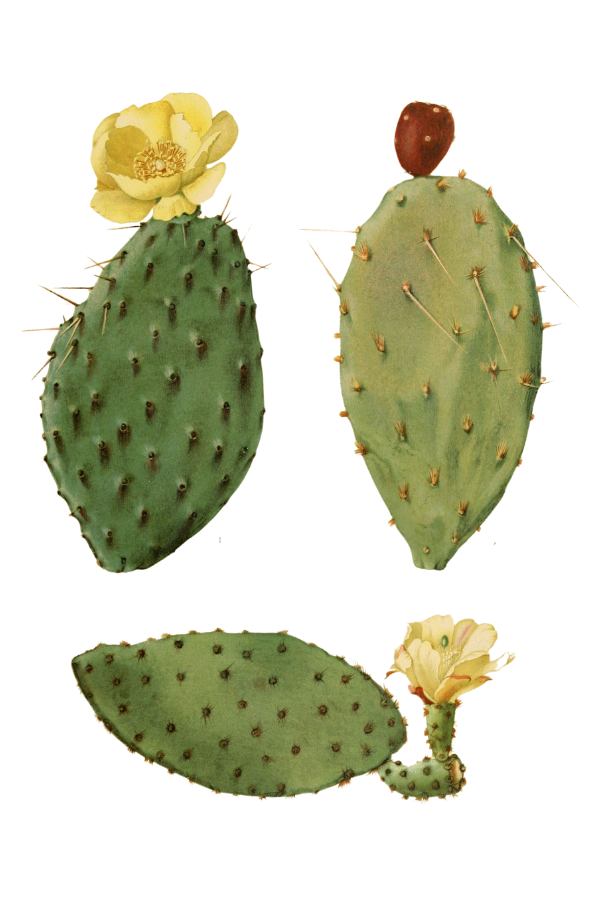
“Al nopal sólo se le arriman cuando tiene tunas.”
People may only notice the cactus when it bears fruit.
People may only notice the cactus when it bears fruit, but in truth it is a vital plant, with or without tunas. Its thick, flat paddles with prickly thorns store water in every pad. In the rocky, semi-arid hills of the Mixteca, nopal thrives where few other plants can, flowering with bright yellow, white or pink blossoms before giving rise to small, oval fruits that blush red or purple when ripe.
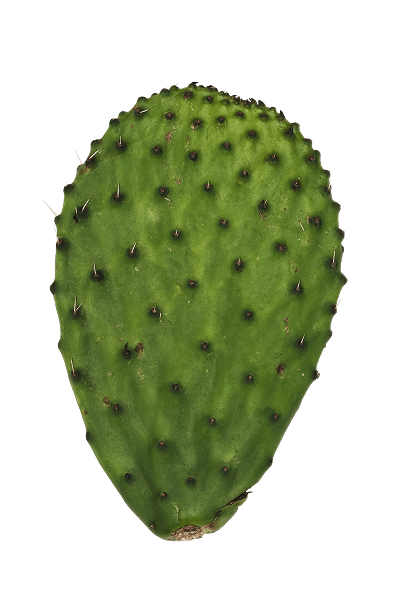
Nopal leaf
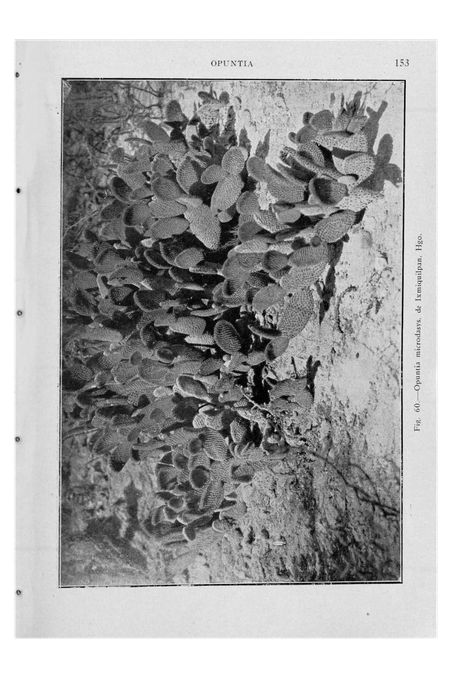
Hidalgo, Mexico
The pads are picked carefully, avoiding their clusters of spines, to be grilled, boiled, or sliced into stews and salads. Young paddles are incredibly tender, citrusy and slightly tart, with a chewy texture, famously dribbly and slimy (or babosos, as Mexicans say). The tuna fruits are sugary, juicy, and fragrant, eaten fresh or turned into jams and fermented drinks. Nopal is resilient and nourishing: its paddles and fruits feed people, its flowers feed pollinators, and its roots hold the soil on steep hillsides.
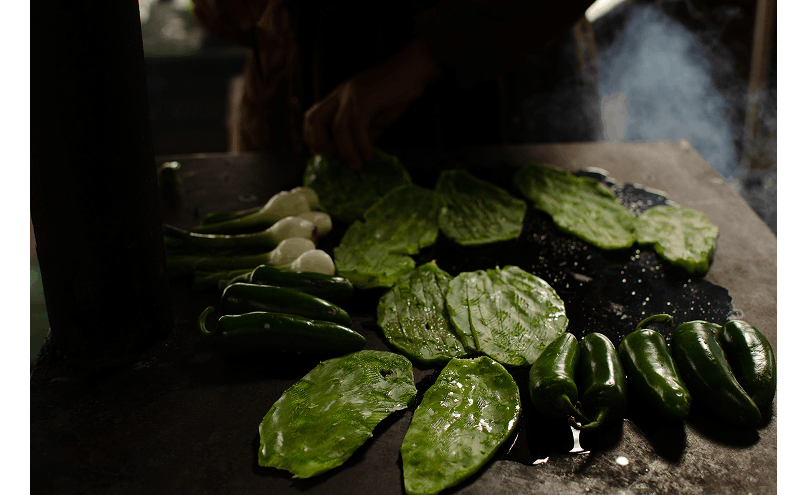
After the spines are carefully removed, nopal pads are often boiled to reduce their natural stickiness before being grilled or cooked in tacos and salads.
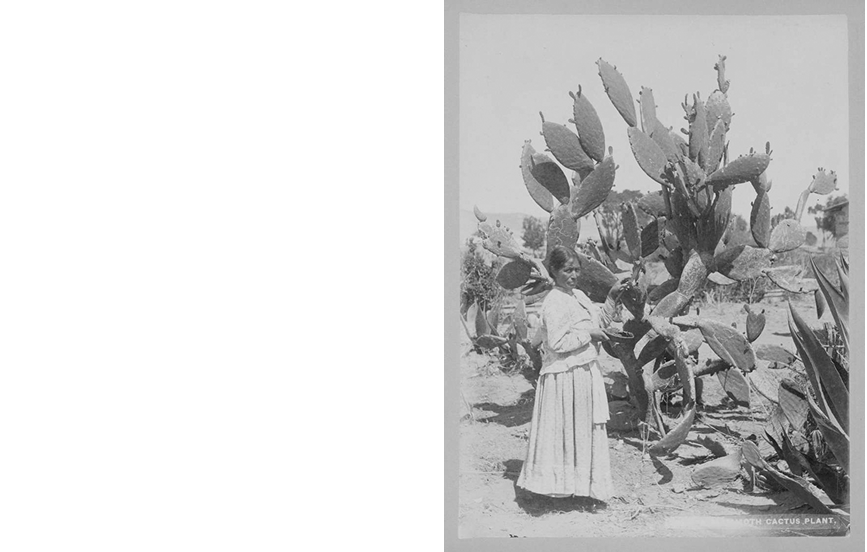
There is no way to describe the Mexican landscape without nopales, just as it’s impossible to imagine Mexico without corn. They are woven into our very identity and way of being. As poet Salvador Novo wrote:
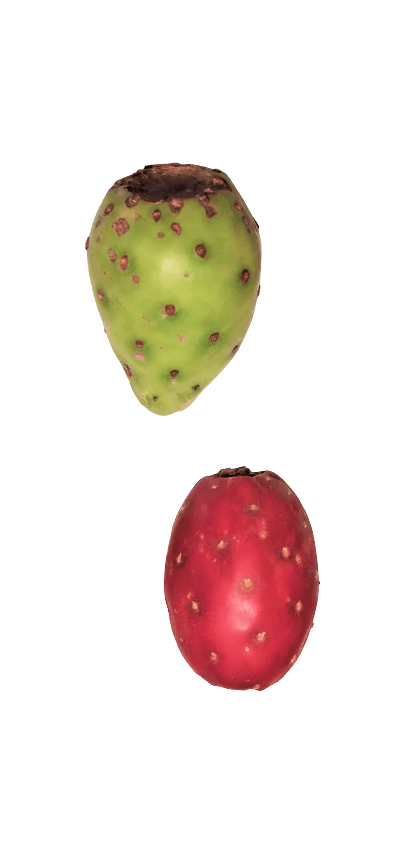
The prickly pear cactus (Opuntia) blooms with large flowers that later develop into the edible fruit known as tuna.
Nopal holds a tremendously deep cultural and symbolic significance for Mexico.
In the founding myth of Tenochtitlan, the ancient capital that became Mexico City, the Aztecs spotted an eagle perched on a nopal devouring a snake, just as their god Huitzilopochtli, the deity of the sun and war, had instructed them to look for. This vision marked the place where they would build their city, a story that survives in the national emblem and the Mexican flag to this day. The plant also has a practical versatility that continues into modern life: nopal is transformed into soaps, shampoos, and traditional medicines, and even processed into cactus “leather,” a sustainable, vegan material.
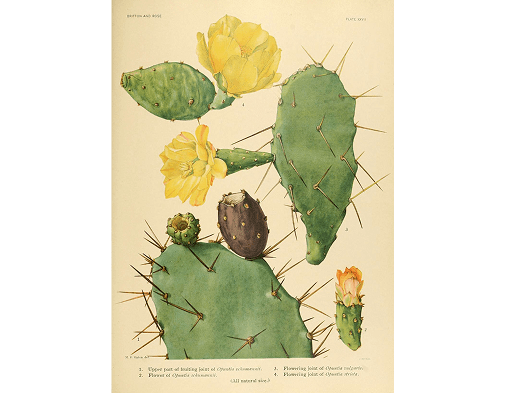
Nopal cactus, prickly pear cactus