RFID
Name / Scientific name
010
Sideroxylon palmeri
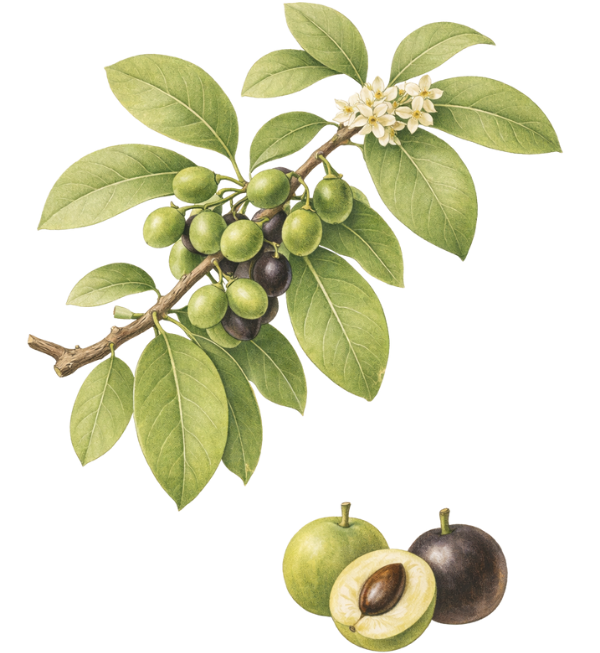
Tempesquistle is often called the “Mexican olive.”
It shares the olive’s gentle perfume and savory character, though its flavor is softer and faintly sweet.
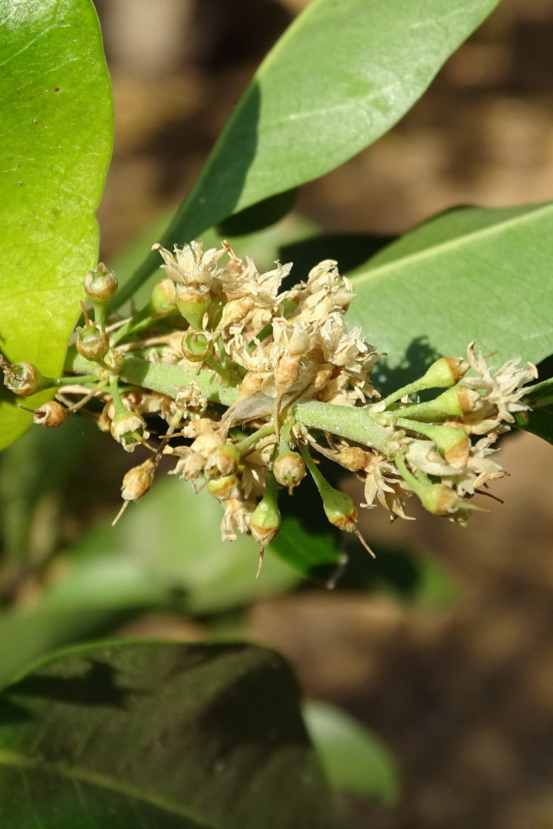
The flowers of Tempesquistle (Sideroxylon palmeri) enable reproduction. Their fragrance and nectar attract pollinators like bees and small insects, which transfer pollen and allow the tree to produce fruit and seeds.
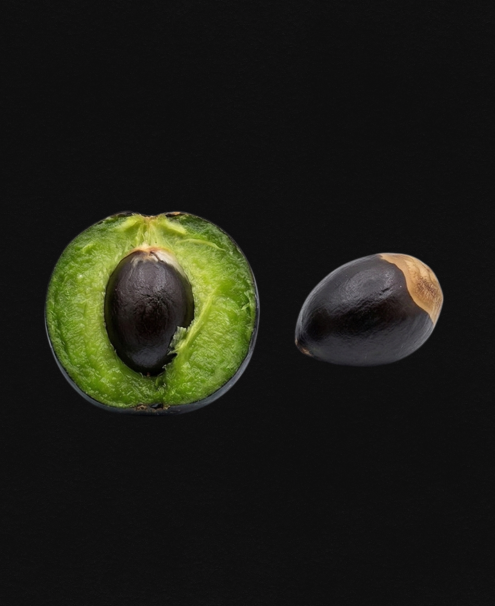
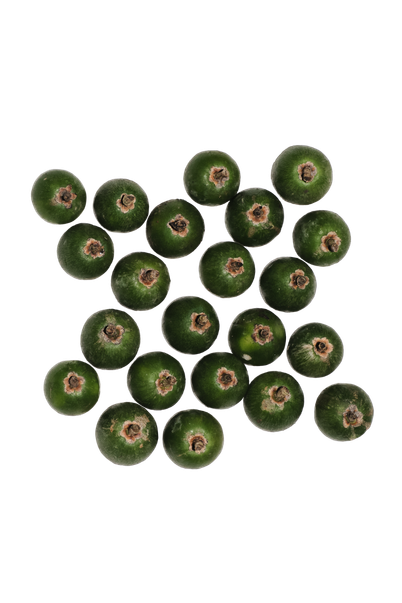
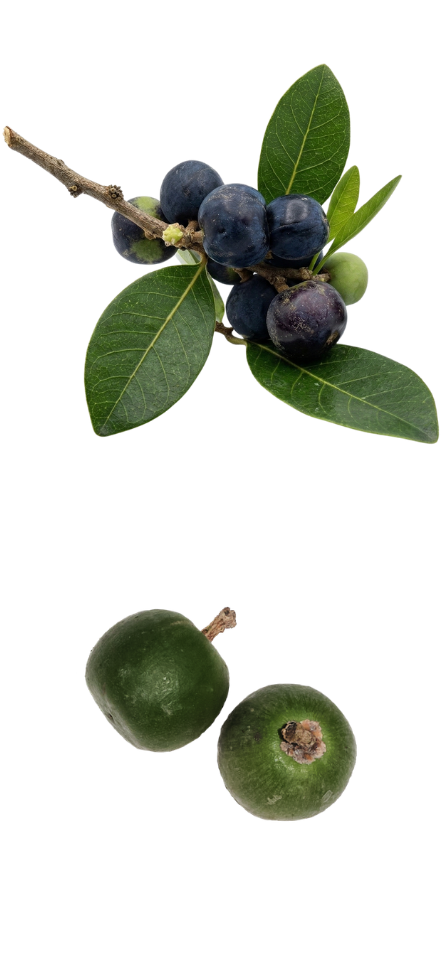
The fruits are small, round, and pale green when harvested. When freshly picked, their bright flesh contains a milky sap that gives them a slightly viscous texture.
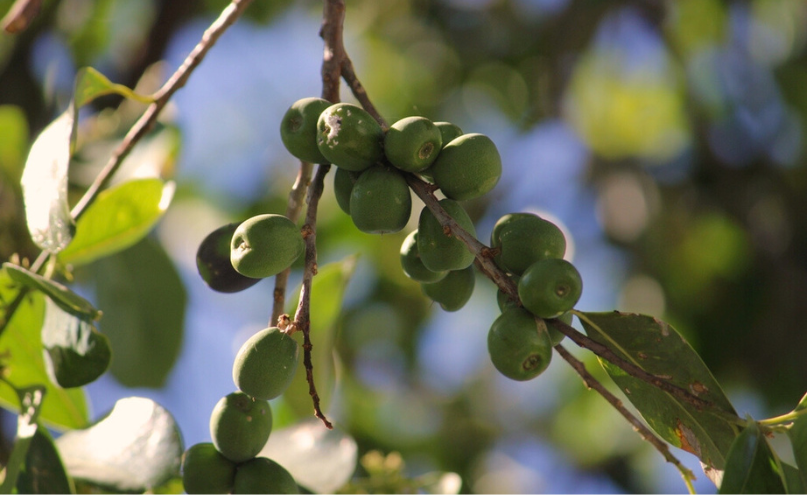
In Tonahuixtla, they are harvested and eaten around Lent, when people abstain from meat. They are eaten with eggs or beans, added to tortitas de camarón (dried shrimp patties), simmered in guajillo chile sauces, or preserved in vinegar with cilantro, onions, and chiles.
Tempesquistle is the fruit of a large but slow-growing tree in the sapodilla family (Sapotaceae), which can reach 8 to 20 meters in height. Native to the dry lands of the Mixteca Baja and other regions of Mexico, it is highly adapted to heat, drought, and poor soils. It may take many years to bear fruit, but the tree can live for generations. Though little known outside its native region, in places like Tonahuixtla it remains part of seasonal rhythms and continuity of life.
Tempesquistle is the fruit of a large but slow-growing tree in the sapodilla family (Sapotaceae), which can reach 8 to 20 meters in height. Native to the dry lands of the Mixteca Baja and other regions of Mexico, it is highly adapted to heat, drought, and poor soils. It may take many years to bear fruit, but the tree can live for generations. Though little known outside its native region, in places like Tonahuixtla it remains part of seasonal rhythms and continuity of life.
Tempesquistle trees can grow up to 25 meters tall, forming part of tropical forest canopies.
“Mexican olive.”
To prepare them, they are first boiled in water. As they cook, this sap dissolves, the flesh firms, and the fruits turn slightly darker, becoming tender and pleasant to eat.