RFID
Name / Scientific name
012
Diospyros digyna
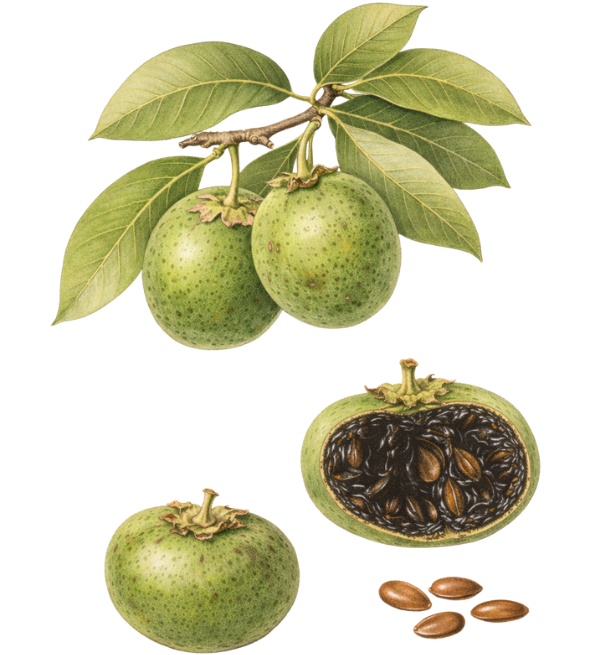
Black zapote is a tropical evergreen tree in the ebony family (Ebenaceae)
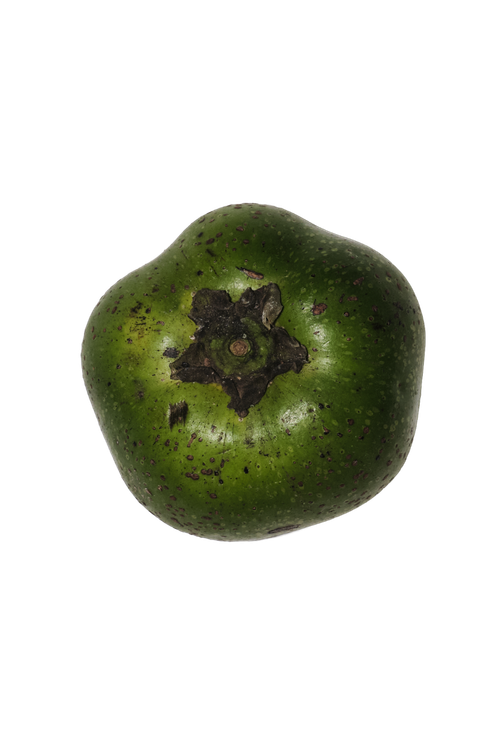
Sometimes at the end of a meal in Mexico, someone hands you a small plate with a halved fruit. Its skin is dull green, unremarkable. But inside, the flesh is glossy and impossibly black and soft, like a dark custard. You scoop it with a spoon and eat it simply, maybe with a squeeze of orange on top. It is not too overbearingly sweet. Actually it is quite delicious: earthy, complex, refreshing.
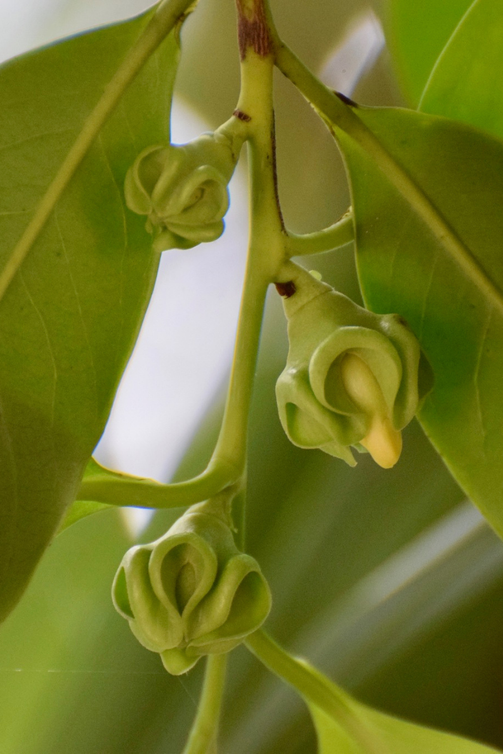
Zapote (sapote) flowers are small (1–2 cm), yellow-green or white, and grow in clusters with four to five petals.
Black zapote is a tropical evergreen tree in the ebony family (Ebenaceae), the same botanical group that includes sweet orange persimmons and the dark hardwood ebony.
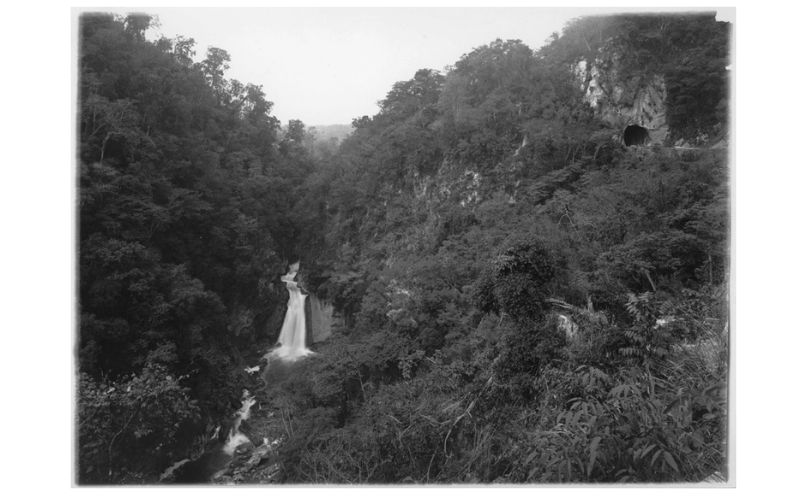
ca. 1906-1920. Atoyac, Veracruz-Llave, Mexico.
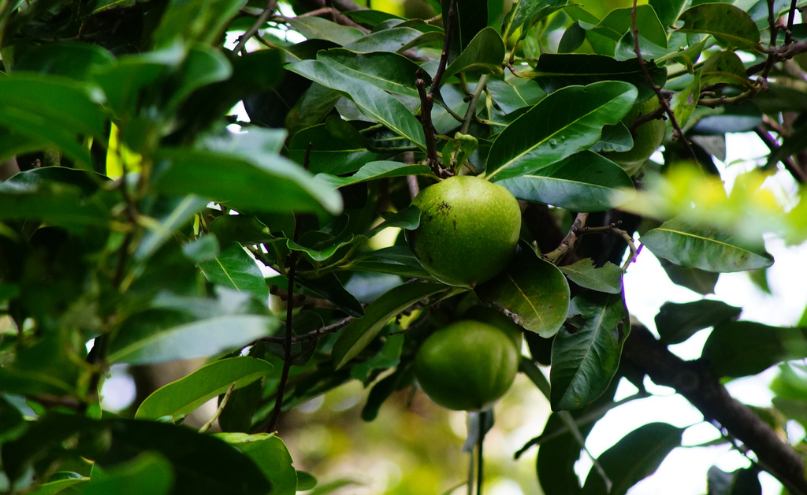
Native to the tropical lowlands of Mexico and Central America, black zapote has been cultivated for centuries here. It thrives in warm climates with full sun and produces fruit during the dry season, when few other fruits are available. Its unusual color, quiet sweetness, and soft texture make it one of the most deliciously distinctive fruits in Tonahuixtla and all of Mexico.
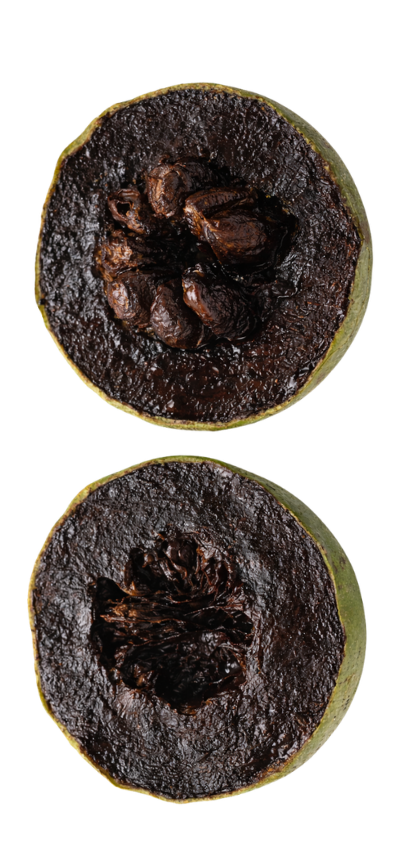
Black sapote, chocolate pudding fruit
As the fruit ripens, it undergoes a complete transformation.
The firm, pale interior softens and darkens, becoming smooth, glossy, and custard-like. This process resembles that of persimmon, its close relative, though black zapote develops a darker color and a more subdued, less tangy sweetness.